
What Are Service Agreements
A service agreement is a written contract between a service provider and a client. It explains what work will be done, when it will be done, and what each side must deliver. This article uses the focus keyword service agreements to help you understand the basics from the first paragraph.
Service agreements are used in many industries. They help both sides know what to expect. They also reduce misunderstandings. These agreements are simple tools that bring clarity and trust. Think of them as the steady rhythm in a dance. When both partners follow the same steps, things move smoothly.
Why Service Agreements Matter
Although many people rely on handshakes, written service agreements protect everyone. They reduce risk and create structure. They also give you a clear record of what was promised.
Most disputes happen because people remember things differently. With a written agreement, you have a real record. Because of this, service agreements can prevent expensive lawsuits. They also help people stay aligned throughout the project.
Key Parts of a Strong Service Agreement
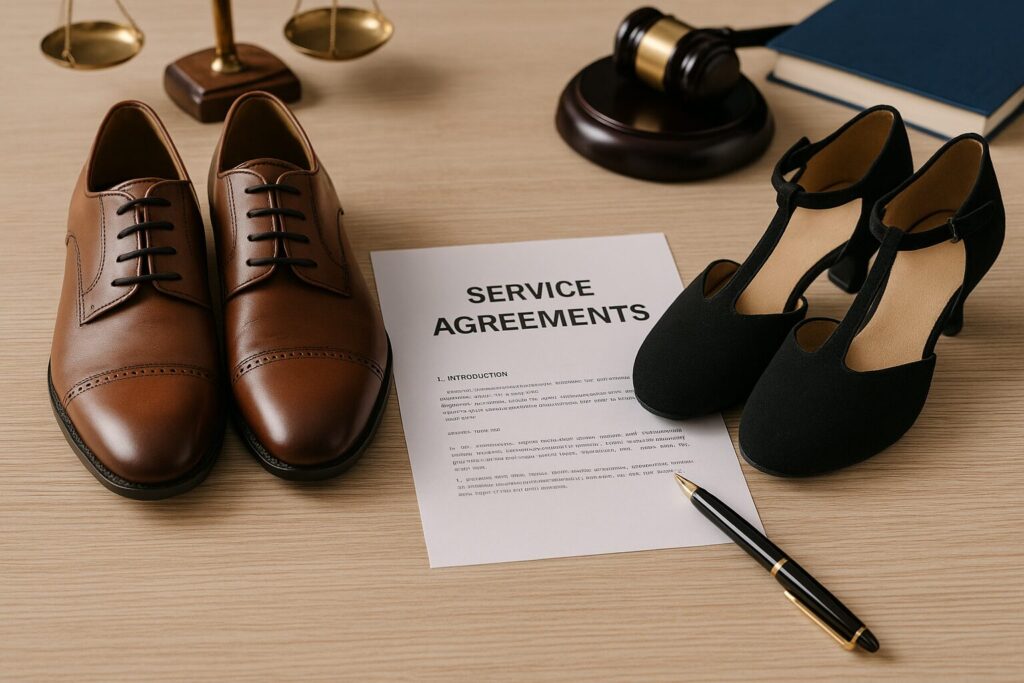
Every agreement should include a few important sections that make the expectations easy to follow.
Scope of Work:
This section explains what tasks will be done. It must be simple and clear. If the work changes later, both sides should update this part.
Payment Terms:
The agreement needs to show how much will be paid and when. It should also explain what happens if the client pays late.
Timeline:
A timeline keeps the project on track. It does not need to be complex. It only needs clear timing.
Responsibilities:
Both sides must know what they are responsible for. This avoids confusion.
Termination Terms:
Life happens. Because of that, the agreement should explain how either party can end the contract.
Confidentiality Clauses:
These protect private information.
Liability and Limits:
This section explains what the provider is not responsible for.
These parts keep the flow of the project structured. They act like cues in a dance. When you know the next step, you move with confidence.
Common Mistakes to Avoid
Many disputes come from unclear language. One common mistake is using vague descriptions like “all tasks as needed.” This can open the door to arguments. Another mistake is not setting payment dates or expectations. Clear communication prevents friction.
It is also important to avoid copying random templates from the internet. Many templates do not fit your type of work. Although templates can help, you should adjust them to your situation.
How Service Agreements Protect Both Sides
Service agreements give structure to the relationship. They protect the client by guaranteeing clear deliverables. They protect the provider by defining limits. As a result, each side feels safer.
In many cases, service agreements also build trust. Clients feel more comfortable when they know what they are getting. Providers feel confident when their work is defined clearly. Everyone benefits.
When You Should Use a Service Agreement
You should use service agreements whenever you perform work for money. This includes small jobs, large projects, and long term relationships. Even friends and family should use them. These documents protect relationships and reduce stress.
Service agreements are especially useful for freelancers, consultants, contractors, designers, tutors, coaches, and home service professionals. They are also common in corporate settings.
Even simple jobs deserve a clear agreement. It keeps the project balanced and improves communication.
Final Thoughts on Service Agreements
Service agreements are powerful tools that keep people safe and aligned. When both sides know the expectations, the work moves with ease. They also help you avoid disputes. With clear language, structured terms, and easy steps, service agreements create strong foundations. If you think of your legal tools as dance partners, service agreements are the ones that help you stay in rhythm.
External Links
- https://www.ftc.gov (Federal Trade Commission)
- https://www.usa.gov (U.S. Government Services)